Q & A with Eli Sachse
We catch up with the author of Next-Level Ally: How to Support Your Queer and Transgender Friends, now in paperback!
Eli Sachse, BSN, RN is a queer, transgender artist, author, and activist. He is the founder of LGBTQ Merced, GLSEN Merced, and the Merced Pride Center at the MAC. He has worked as a freelance writer for MyHealthTeam.com and Sonoma Medicine, and is the author of the zines Sex Without Roles and Next-Level Ally.
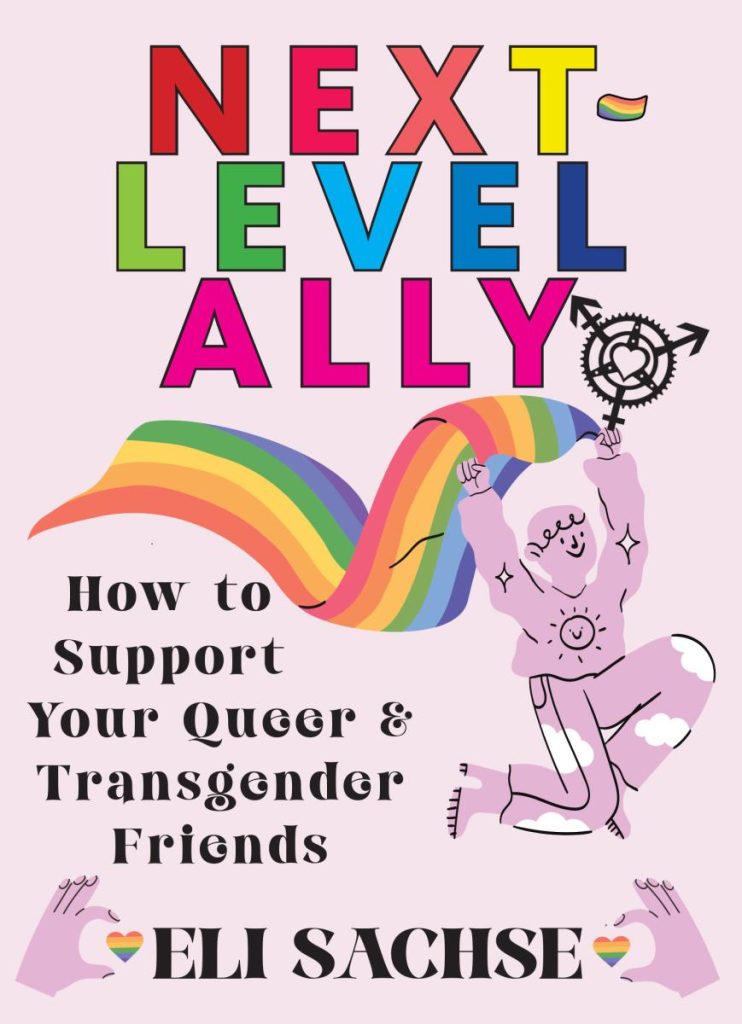
We caught up with Eli just after the spring release of Next-Level Ally, once a best-selling zine, now a full-length paperback. Want to know how they became a writer, or started in advocacy work, or what their favorite book genre is? Keep reading!
What inspired you to write your book?
I’ve been organizing and advocating for queer and transgender people in my rural California community of Merced since 2018. Things that I’ve seen and experienced while trying to interface with local government, school systems, and allies of varying levels of commitment have been disorienting and mind-boggling, to say the least. So, some of this book was an exercise for me in deconstructing and understanding my own experiences. From gaslighting, to big promises that evaporate without a sound, to just plain rejection of ideas and plans by leadership, it’s been quite a journey.
For example, I worked for Merced County for two years. Near the end of those two years, I approached my director about starting a pride affinity group for county employees. She actually sent an email to me with a sentence in all-caps forbidding me from trying. I still have trouble understanding why she would feel so strongly against the idea. Starting an internal affinity group would not even necessarily even be visible to the public, ever. Where would any controversy come from? To me, it seems like the most low-stakes step towards pride activities possible. I still don’t see what she thinks the dangers are by allowing me to organize a pride group at work.
Alongside that, I’ve worked with people who have turned out to be meaningful allies, and continue doing real work and speaking up for queer and trans folks in my community. Thinking about how they approach the problem differently is just something I do naturally, so writing about it just made sense to me.
Also, being as visibly out as I am, I am approached by people of all walks of life and working in every industry for advice on how to better support queer and trans people. People quickly identify me as a kind ear to hear the questions they might be afraid to ask others, so talking with would-be allies has just become part of my life, for better or worse.
(more…)